
YL Instrument
🇰🇷 South KoreaGas & Liquid Chromatographs, GC-MS, LC-MS systems.
Authorized distributors of analytical and measuring instruments, laboratory equipment and testing products across Nigeria and West Africa. Serving pharmaceutical, petrochemical, refinery, manufacturing and environmental analysis sectors.
Authorized distributor for nine international manufacturers

Labstock Nigeria Limited is one of the oldest and most reputable scientific equipment supply companies operating in Nigeria today, having been incorporated in February 1971 (Registration No. RC-8160).
Nigerian and West African industrial and research laboratories using Labstock supplied equipment include those operating within pharmaceutical, petrochemical, refinery, manufacturing and environmental analysis domains.
Labstock was founded by Dr. Nathan Nwachuku, a former research scientist with Ph.D. in Botany from the University of Aberdeen, UK. Prior to forming Labstock, Dr. Nwachuku worked for 10 years as a senior lecturer in Botany in both Ahmadu Bello University and in the University of Ghana at Legon.
During Nigeria's economic boom period of the seventies and early eighties, Labstock played major roles in supplying scientific instruments, laboratory equipment and chemicals to most of the old Nigerian university institutions, including: University of Ibadan, Ahmadu Bello University, University of Benin, University of Sokoto, University of Maiduguri and University of Nigeria.
By the late eighties and early nineties, Labstock strategically realigned its business to focus on Nigeria's public and private sector industrial laboratories, many of whom are engaged in quality control analysis, research and development activities.
With over 55 years experience in the supply of analytical and measuring instruments and related products, Labstock has been able to put together an unrivaled high quality and competitively priced product range and accompanying service offering that is capable of meeting the specific high quality needs of our target customer base.
Labstock has an enviable track record of success and an excellent reputation in the marketplace.
Labstock is a founding member of the Scientific Products Association of Nigeria (SPAN), a trade association within Nigeria of recognised scientific equipment suppliers and laboratory chemical producers.
In order to provide effective sales support to our customers in Nigeria, Labstock has invested in recruiting and training a highly dedicated team of sales executives who are located within Lagos, Kaduna, Abuja and Port-Harcourt.
On the technical support side, Labstock also has an experienced team of OEM-trained instrumentation engineers.
Further, Labstock has recently established a well-equipped Analytical Instruments Solutions Laboratory in Lagos — this new facility provides sample analysis and hands-on training for laboratory technologists and scientists in the operation and application of analytical instruments.
As a result of this depth of expertise in sales, technical support and training, Labstock is able to offer our customers in Nigeria excellent sales, installation, end-user training, after-sales warranty and long-term maintenance support contract services.
The instruments we deliver today are the current flagship models from each of our partner manufacturers. A snapshot of what we install in customer laboratories across Nigeria right now:
Gas & Liquid Chromatographs, GC-MS, LC-MS systems.
AAS, UV-VIS spectrophotometers, liquid handling, microwave digestors.
FTIR Spectrophotometers and Mercury Analyzers.
Autoclaves and sterilization systems.
Centrifuges, freeze dryers, bioreactors.
Microscopes for research, education and clinical use.
Precision balances and industrial scales.
Electrochemical instruments — pH, EC, DO meters.
Stability climate chambers, incubators and ovens.
Browse by capability — every instrument backed by authorized distributorship and engineering support.
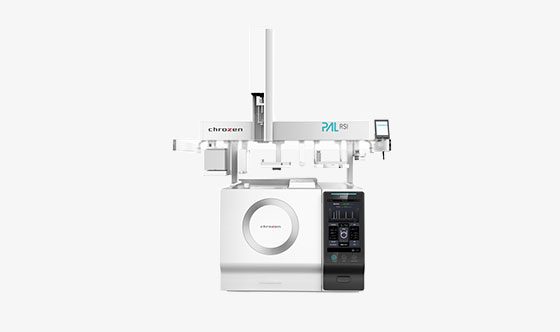
Capillary GC with PAL RSi autosampler for petrochemical, environmental and pharmaceutical applications.
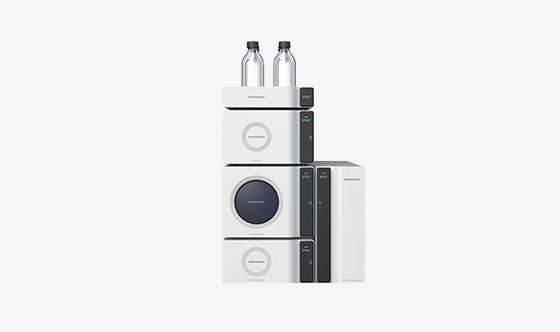
YL Instrument · South KoreaHigh-performance liquid chromatography with modular UV/PDA, RI and fluorescence detectors.
YL Instrument · South Korea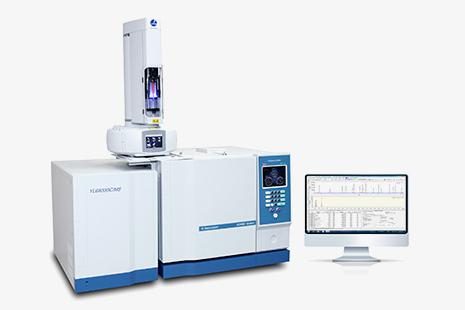
Single quadrupole GC-MS with EI/CI ion source for compound identification, quantification and trace residue analysis.
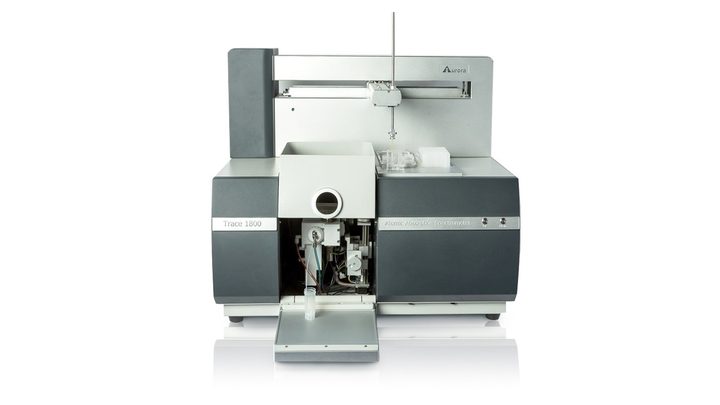
YL Instrument · South KoreaFlame, graphite-furnace and hydride AAS for trace-metal analysis in environmental, food and clinical labs.
Aurora · Canada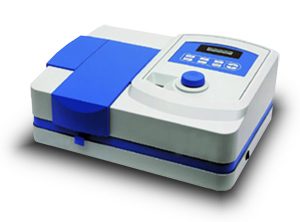
Single-beam UV-VIS spectrophotometer (190–1100 nm) for routine and research-grade absorbance measurements.
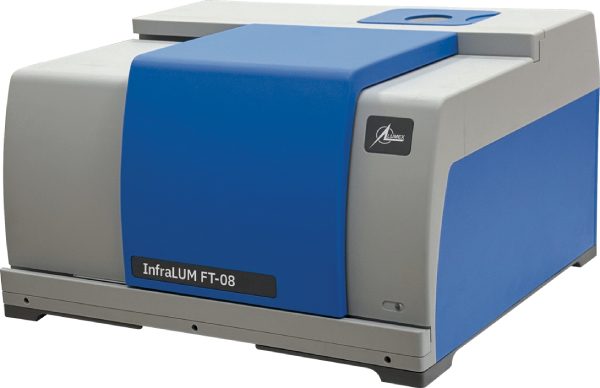
Aurora · CanadaMid-IR Fourier-transform infrared analysis with rugged optics for QC and research.
Lumex · Canada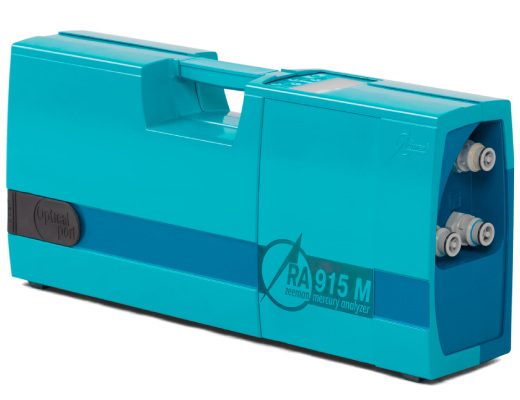
Portable Zeeman mercury analyzer — direct detection in water, soil, tissue and ambient air without sample digestion.
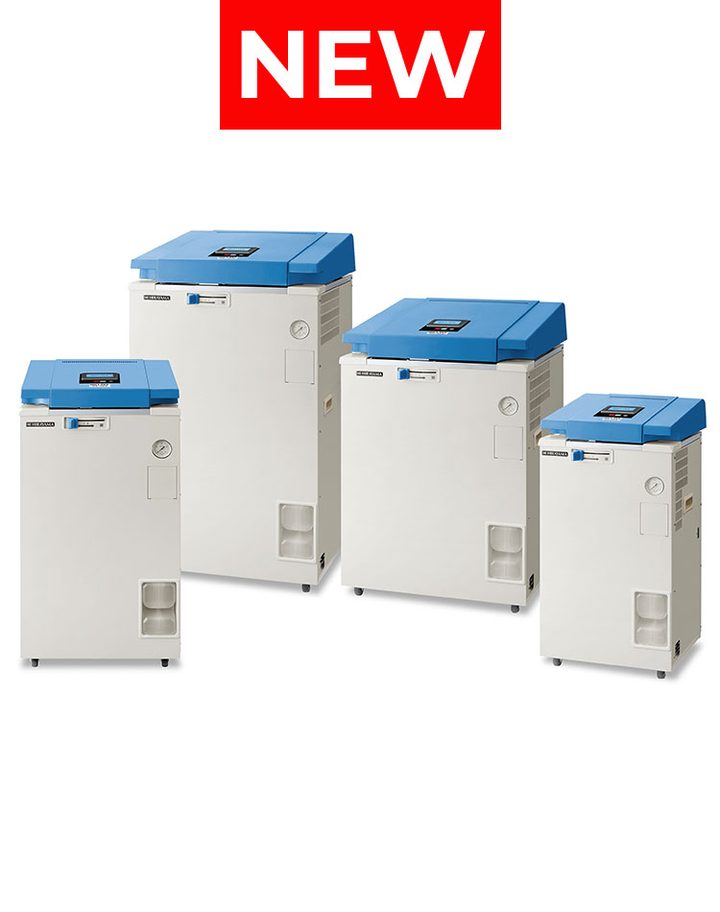
Lumex · CanadaTop-loading vertical autoclaves (HV-25 / 50 / 85 / 110) for clinical, microbiology and pharma labs.
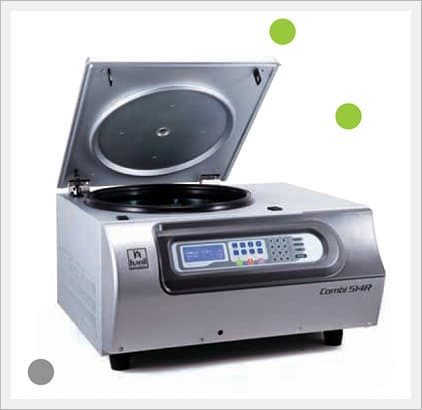
Hirayama · JapanHigh-speed refrigerated centrifuges with interchangeable swing-out and angle rotors.
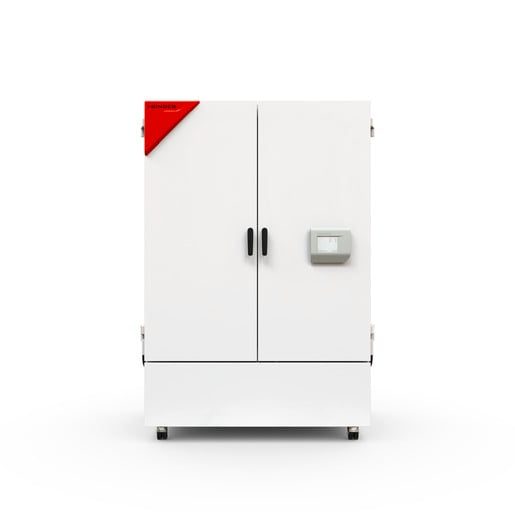
Hanil Science · KoreaICH Q1A-compliant constant climate chambers — temperature and humidity stability for stability testing.
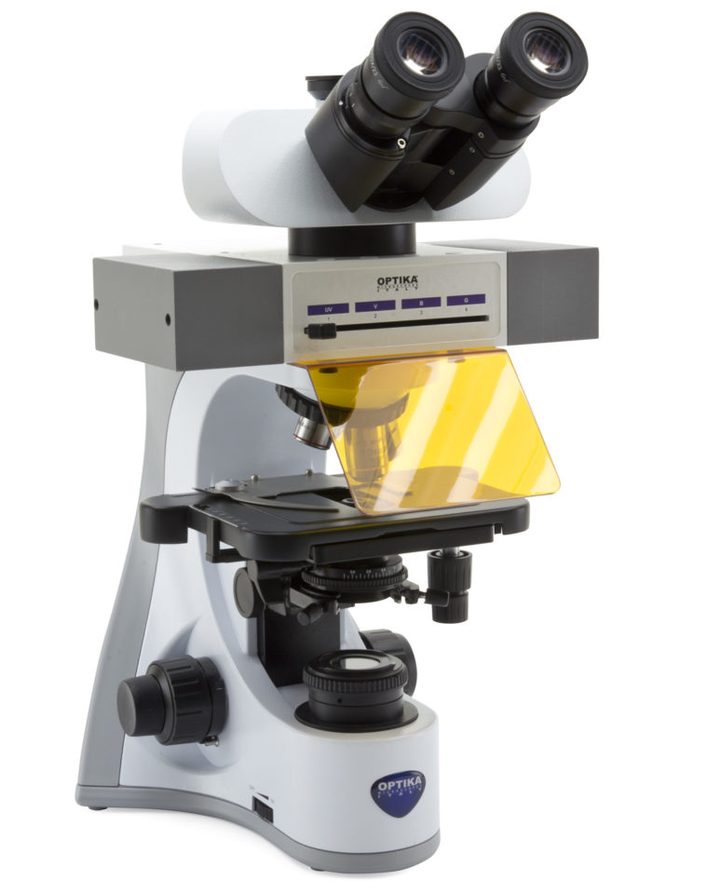
Binder · GermanyTrinocular research microscopes with infinity-corrected optics for clinical, education and industrial use.
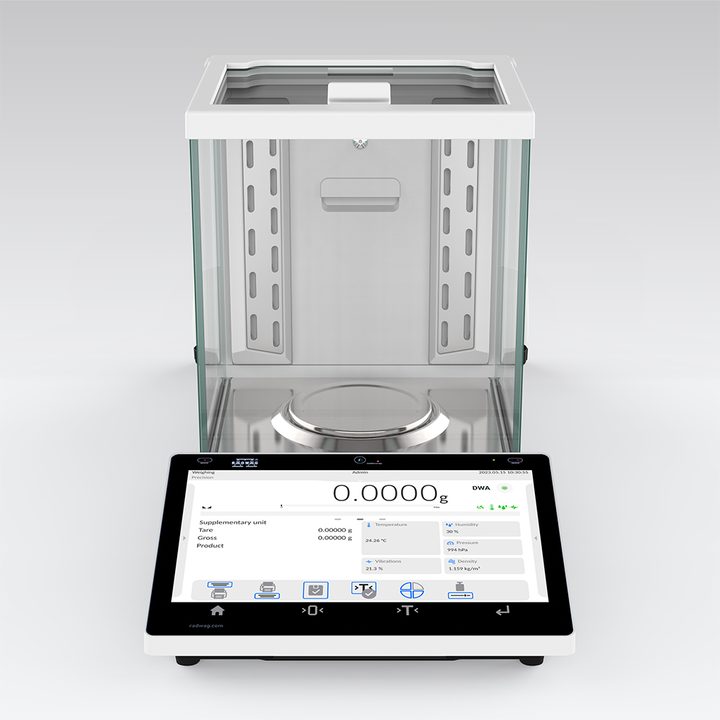
Optika · ItalySemi-micro and analytical balances with auto-calibration and ionization for static-free weighing.
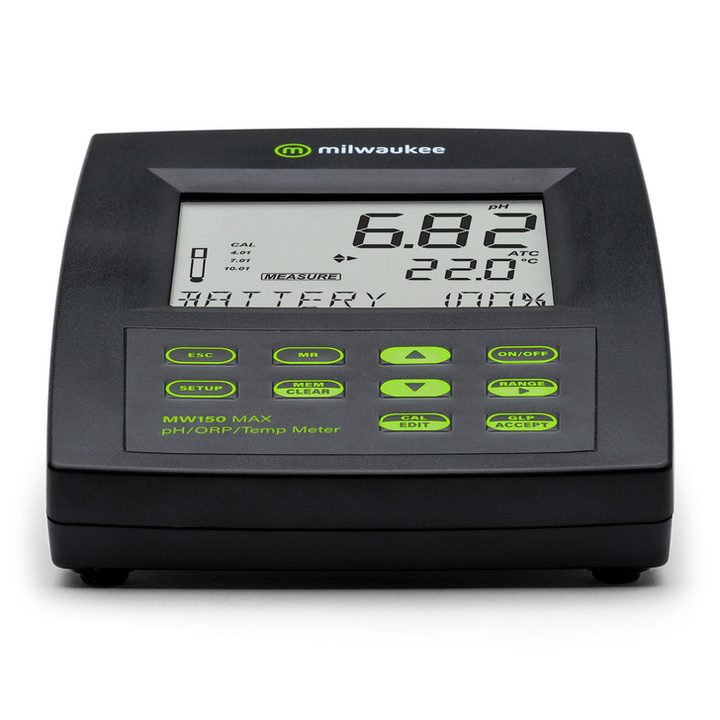
Radwag · PolandBenchtop and portable pH, conductivity (EC) and dissolved-oxygen meters for water and process labs.
Milwaukee · Italy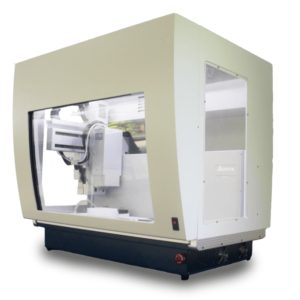
High-throughput robotic pipetting and sample-prep workstations — NGS library prep, nucleic acid purification and PCR setup.
Aurora · Canada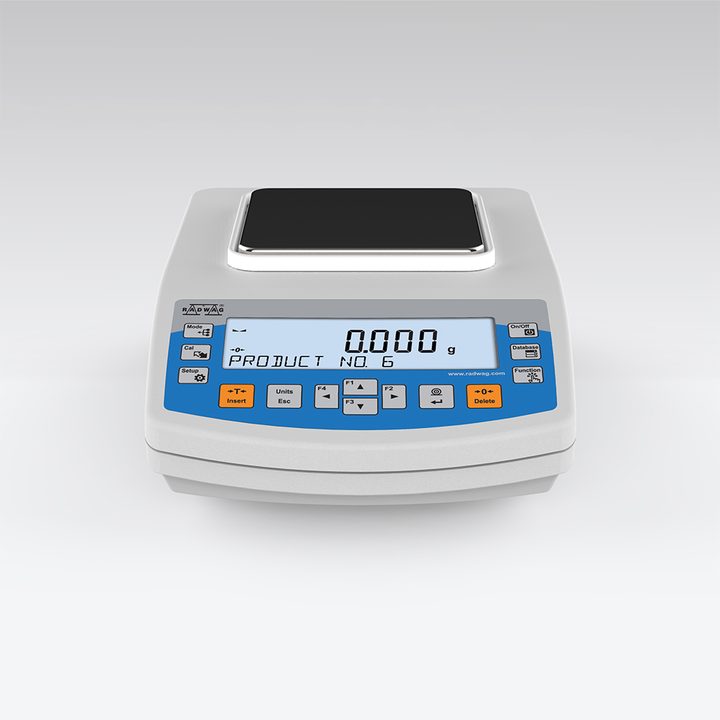
Precision scales (210 g – 10 kg, 1 mg readability) with internal auto-calibration and large LCD display.
Radwag · PolandClick any sector to learn how analytical instruments support its day-to-day work.
Pharmaceutical laboratories rely on HPLC and GC systems to quantify active ingredients and impurities, FTIR for raw-material identification, UV-VIS for assay and dissolution profiling, dissolution testers and tablet hardness testers for formulation QC, analytical balances for compounding accuracy, autoclaves for sterilisation of glassware and media, and stability chambers running ICH-compliant temperature/humidity programmes for shelf-life testing. Together these instruments enforce the GMP standards that protect every patient who takes a tablet, capsule or injectable.
Refineries and petrochemical plants run continuous analytical chemistry to characterise crude feedstock and to certify finished fuels and lubricants against ASTM and IP specifications. Gas chromatographs profile hydrocarbon composition (PIONA, simulated distillation, RGA), FTIR identifies polymers and additives, AAS and ICP measure metal contaminants like vanadium and nickel that poison catalysts, mercury analysers monitor process streams for trace Hg, and density / viscosity / flash-point benches confirm product specs. Reliable instrumentation directly determines refinery yield and the quality of fuel sold at the pump.
Food, beverage, cement, paint, plastics and cosmetics manufacturers depend on analytical instruments at every stage — FTIR and HPLC for incoming raw-material identity, GC for residual solvents and flavour profiling, atomic absorption for heavy-metal contamination, moisture analysers and precision balances for blend uniformity, pH / EC / DO meters for process water and CIP validation, microscopes for particle sizing and contaminant identification, and climate chambers for shelf-life and accelerated-ageing studies. The result is consistent product quality, batch-to-batch reproducibility, and traceable certificates of analysis for every shipment.
Environmental laboratories use atomic absorption spectrometers, mercury analysers and ICP-OES to measure heavy metals in water, soil and biota down to ppb levels; gas chromatographs with ECD or MS detectors to quantify pesticides, PAHs and volatile organic compounds; ion chromatographs for anions and cations; and FTIR for microplastic identification. Field meters for pH, conductivity, turbidity and dissolved oxygen support real-time monitoring at sampling sites. The data they produce drives discharge consents, drinking-water safety, oil-spill remediation and the environmental impact assessments behind major projects.
Universities, polytechnics and research institutes equip undergraduate teaching labs and postgraduate research groups with the same chromatography, spectroscopy and microscopy platforms used in industry — preparing the next generation of analytical scientists with hands-on experience on instruments they will encounter in pharma, petrochemical and environmental careers. Research projects across chemistry, biochemistry, food science, geology and materials engineering rely on GC, HPLC, FTIR, UV-VIS, AAS and high-end microscopes to generate publication-quality data and to support funded grants and consultancy work for local industry.
Hospitals, public-health reference labs and private diagnostic centres use microscopy for haematology, cytology and microbiology; centrifuges for sample preparation; UV-VIS spectrophotometers and biochemistry analysers for clinical chemistry panels; HPLC for therapeutic drug monitoring and HbA1c; AAS and ICP for trace-element clinical chemistry; and autoclaves for biohazard sterilisation. Accurate, rapid analytical results directly translate into faster diagnosis, evidence-based treatment, and effective public-health surveillance of outbreaks and chronic disease patterns.
Our specialists in Lagos, Kaduna, Abuja and Port Harcourt will help you scope the right system for your lab.
Whether you're scoping a new system, sourcing consumables, or arranging service — we're here to help.
NSPRI House, 34 Barikisu Iyede Street
(off University of Lagos Road)
Onitiri, Yaba, Lagos, Nigeria